16 Leadership Resources: Communicate, Connect, and Lead Better
TL;DR
Good leaders keep learning on purpose, long after anyone's making them. This is a curated list of 16 podcasts, books, newsletters, and people to follow, grouped by the skill they help you build: communicating clearly, handling conflict, building trust and psychological safety, leading inclusively, and sharpening your own judgment.
Most leaders don't stall because they're short on ideas. They stall because the everyday skills, listening well, defusing tension, making people feel safe enough to disagree, never got taught anywhere. We promote people for being good at the job, then act surprised when leading people turns out to be a different job.
Here's the number that should reframe how you spend your development budget: Gallup found that managers account for at least 70% of the variance in team engagement. The person running the daily work often shapes engagement more than the perks, the mission statement, or the values painted on the wall.
A title makes someone a manager. It doesn't make anyone want to follow them. That part you build, one conversation and one habit at a time.
So the real question isn't whether leadership skills matter. It's where you go to keep building them. Below are 16 resources we come back to, organized by the five skills that show up most in the leaders our clients want more of. Each entry is tagged by format (Podcast, Book, Newsletter, Follow) so you can pick what fits your week.
Quick Snapshot: 16 Leadership Resources by Skill
Books, podcasts, talks, newsletters, and people to follow based on the leadership skill you want to sharpen next.
Communicating clearly
- Think Fast, Talk Smart Podcast
- Supercommunicators Book
- We Need to Talk Book
Say the thing well, especially when the stakes are high.
Handling conflict
- Negotiate Anything Podcast
- Nonviolent Communication Book
- Kim Scott Follow
Navigate tension without avoiding the conversation entirely.
Building trust
- The Fearless Organization TED Talk
- Liz Fosslien Follow
- Minda Harts Follow
Make honesty, care, and accountability easier to practise.
Leading inclusively
- Inclusion on Purpose Book
- How to Be an Inclusive Leader Book
- The Person You Mean to Be Book
Spot the gaps between good intentions and what people actually experience.
Sharpening judgment
- ReThinking with Adam Grant Podcast
- Dare to Lead Book
- The CultureAlly Newsletter Newsletter
Question your first read of a situation before you act on it.
Communication Resources for Clearer Conversations
Communication is the skill everything else sits on. You can have the right call and still lose the room if people don't feel heard on the way there.
Think Fast, Talk Smart (Podcast). Stanford lecturer Matt Abrahams puts out a new episode every Tuesday on the mechanics of speaking well: fielding hard questions on the spot, running a meeting people don't dread, giving feedback that lands. Episodes are short and built around tools you can try the same day. A good entry point is anything in the back catalog on spontaneous speaking. Listen here.
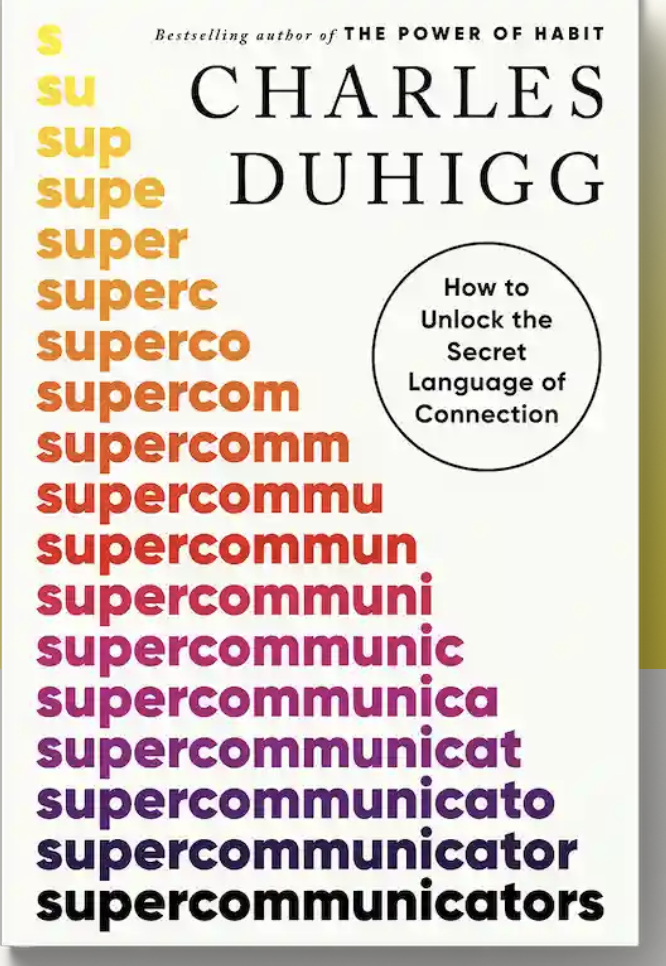
Supercommunicators (Book). Charles Duhigg's book on why some people connect in any room and most of us don't. Practical, story-driven, and useful if you've ever walked out of a conversation knowing it went sideways but not why.
.
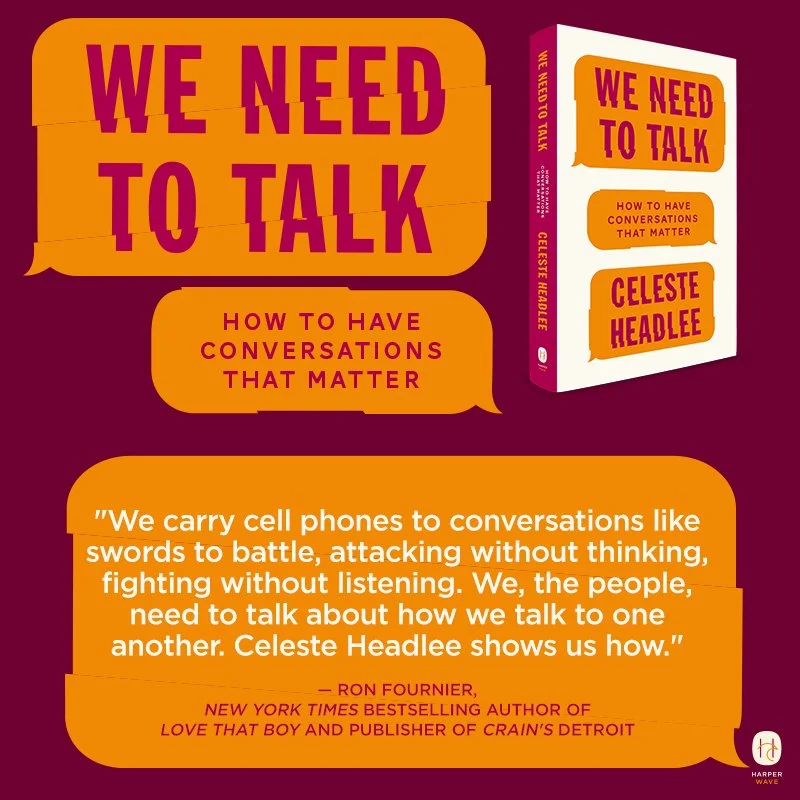
We Need to Talk (Book). Journalist Celeste Headlee spent 25 years interviewing people for a living, and this is what she learned about why most conversations fail. Practical rules you can use in your next one-on-one: stop waiting for your turn to talk, put the phone away, get comfortable saying you don't know. Her TED talk on the same idea has tens of millions of views for a reason.
Conflict Resolution Resources for Difficult Conversations
Conflict isn't the problem. Avoided conflict is. The issues you don't address don't disappear, they grow teeth.
Negotiate Anything (Podcast). Kwame Christian and the American Negotiation Institute have published more than 1,600 episodes on getting through hard conversations without wrecking the relationship. The framing is broad: as much about confidence and connection as about closing a deal. Listen here.
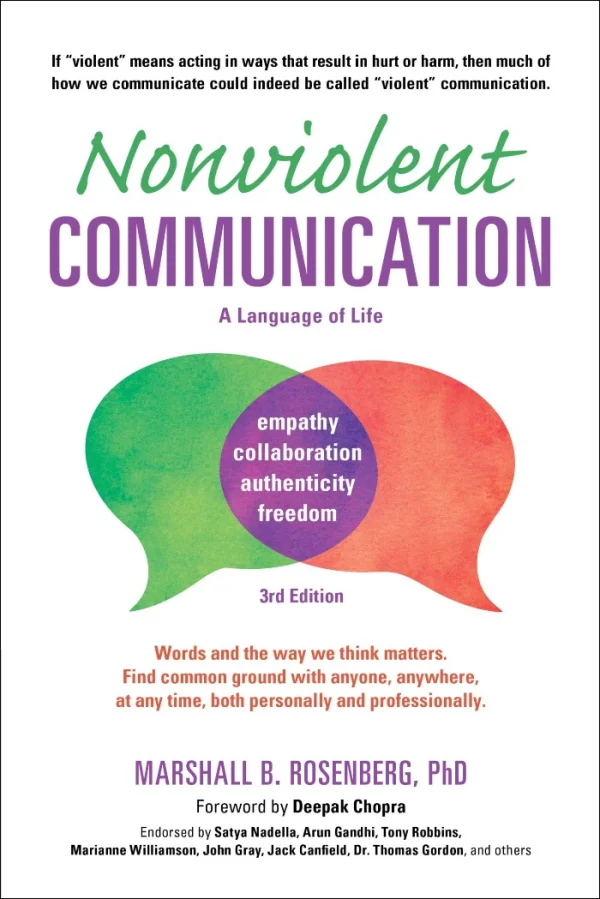
Nonviolent Communication (Book). Marshall Rosenberg's method for saying the difficult thing without setting off defensiveness, by separating what happened from your judgment of it and naming the need sitting under the complaint. It feels stilted the first few times. Then it quietly changes how you handle every tense exchange, which is why it's the backbone of so much de-escalation work.

Kim Scott (Follow). Creator of Radical Candor, the model for feedback that manages to be kind and clear at the same time: care personally, challenge directly. Follow her on LinkedIn for specific, repeatable advice on giving the feedback most managers swallow until it curdles into a real problem. The book by the same name is worth it too.
Trust and Psychological Safety Resources for Stronger Teams
When Google studied what made its best teams work, the top factor wasn't talent or tenure. It was psychological safety: the shared sense that you won't be punished for speaking up. That finding, from its Project Aristotle research, reshaped how a lot of us think about teams.
The Fearless Organization (Watch). Amy Edmondson is the Harvard researcher who named psychological safety, and this is the clearest guide to building it on purpose rather than hoping for it. Especially good for leaders who suspect their "open door" isn't being used.
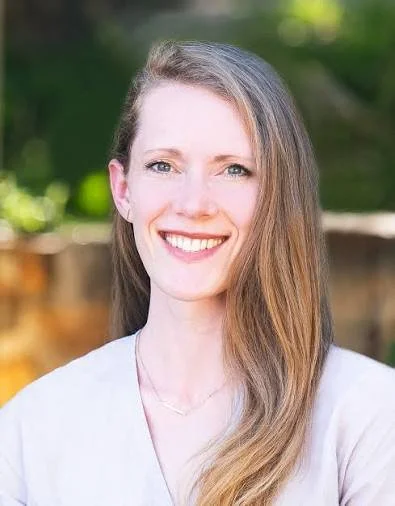
Liz Fosslien (Follow). Co-author and illustrator of No Hard Feelings, Fosslien turns the messy emotional side of work into simple, funny, genuinely usable visuals. Follow her on LinkedIn for the most shareable thinking on feelings, feedback, and team dynamics you'll come across. Far more practical than the cartoons let on.
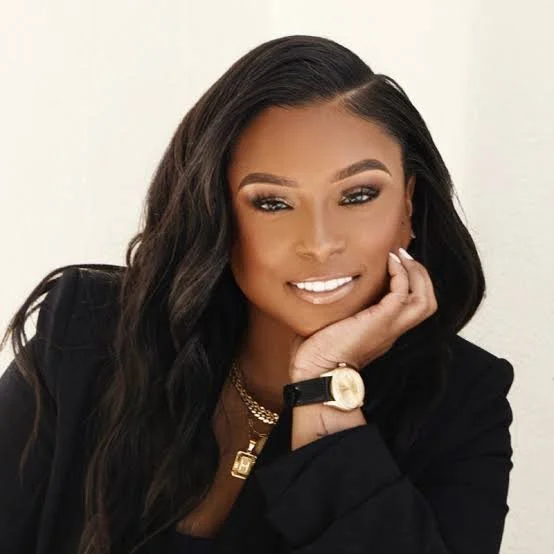
Minda Harts (Follow). NYU professor and author whose current work is built around trust at work, including her Seven Trust Languages framework and her book Talk to Me Nice. Follow her on LinkedIn for clear, direct thinking on how trust gets built and broken between managers and their teams. One of the sharper voices on this anywhere.
Inclusive Leadership Resources for Leading Across Difference
Leading people who don't share your background, your context, or your assumptions is most of the job now. Inclusion has quietly become one of the core leadership skills, not a separate initiative bolted on the side.
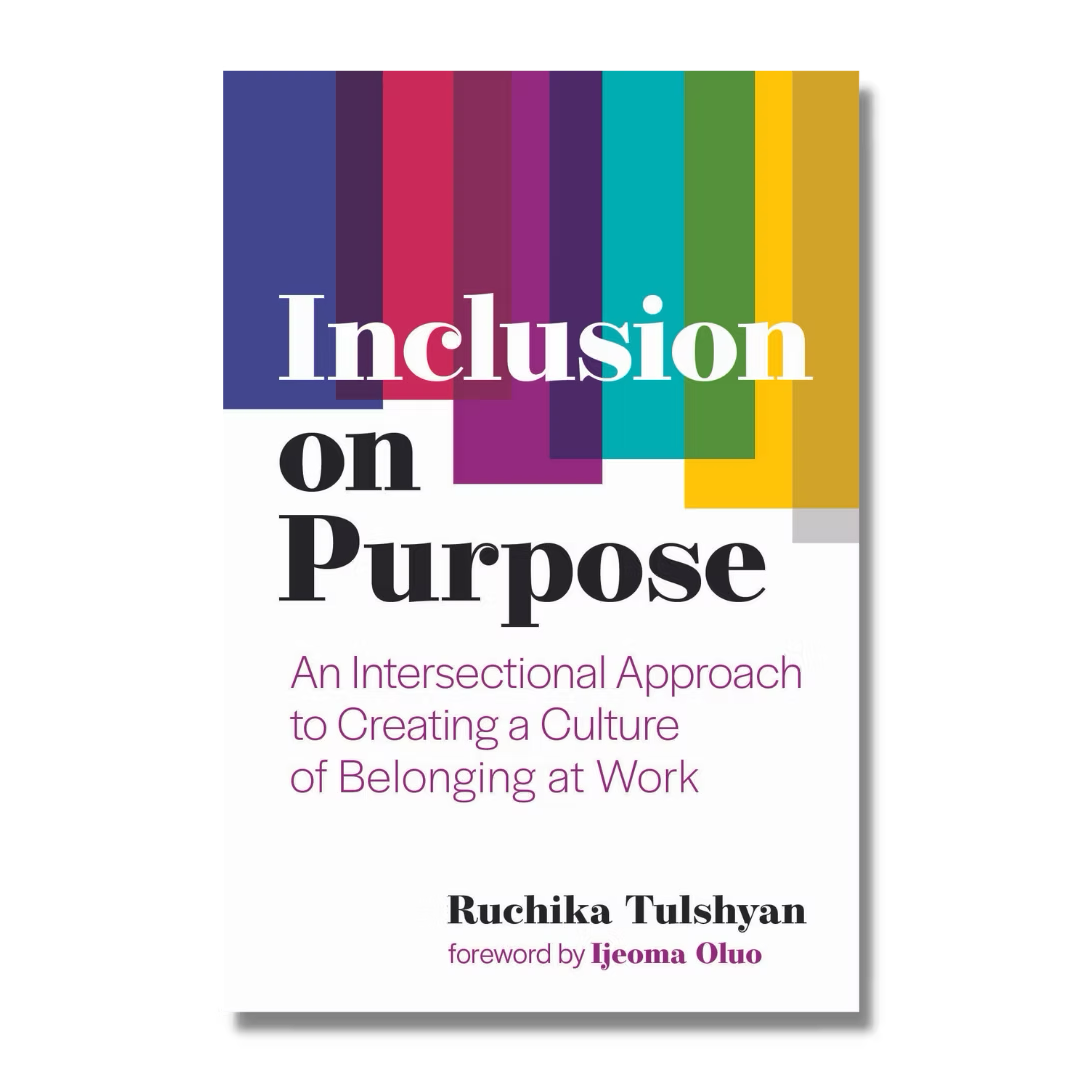
Inclusion on Purpose (Book). Ruchika T. Malhotra makes the case that inclusion never happens by accident. It takes awareness, intention, and practice. The book is concrete about what leaders can actually do, which is rarer than it should be.
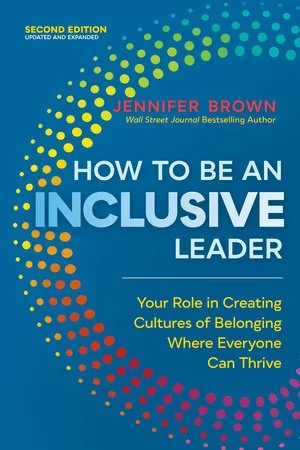
How to Be an Inclusive Leader (Book). Jennifer Brown maps inclusive leadership as a path with clear stages, from unaware to advocate, so you can see where you are and what the next step looks like. Good for leaders who care but don't know where they sit on the curve. More on the book here.
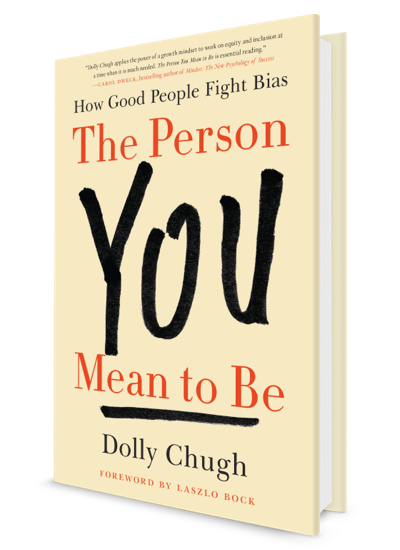
The Person You Mean to Be (Book). NYU psychologist Dolly Chugh writes for the "good-ish" people: the ones who care about fairness and still get it wrong, which is all of us. Her growth-mindset take on bias is the least preachy book on this list. You finish it wanting to try, not wanting to hide.
Leadership Judgment Resources for Better Decisions
The best leaders stay curious about their own thinking. These keep your judgment from going stale.
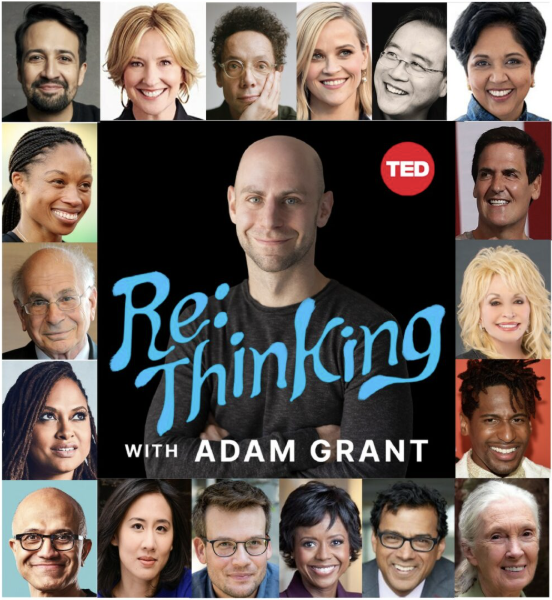
ReThinking with Adam Grant (Podcast). Grant's current weekly show from TED (the successor to his long-running WorkLife) features unhurried conversations with sharp people about how they think and where they've changed their minds. Good company on a commute.
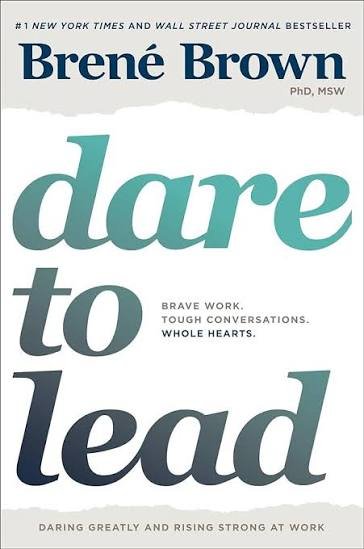
Dare to Lead (Book). Brené Brown's research on courage, vulnerability, and leading without armour. If you've ever confused being tough with being effective, this one's worth the reread. The book holds up regardless of where her podcasts land.

The CultureAlly Newsletter (Newsletter). Ours, and we'll say so plainly. Workplace culture ideas you can use, written for people doing this work inside real organizations rather than in theory. Subscribe here.
.
Leadership Communities and Peer Learning
One more place leaders learn: from other leaders.
Books and podcasts are useful, but sometimes you need a messier kind of learning: hearing how another manager handled the conversation you’re avoiding, how another HR leader rolled out a change, or how someone in a completely different sector is thinking about trust, retention, conflict, or burnout.
A few places to start:
Reddit communities. Reddit can be hit or miss, but it is useful for pattern-spotting. Subreddits like r/management, r/Leadership, r/AskHR, r/humanresources, and sector-specific communities can show you what managers and employees are actually asking when they are not in a polished webinar. Anonymous advice should be taken with a grain of salt. Use it to notice repeated questions, common mistakes, and the gap between how leaders think policies land and how people experience them.
Role-specific communities. Look for communities built around the work you actually do: people operations, learning and development, nonprofit leadership, healthcare leadership, municipal leadership, operations, frontline management, or executive leadership. A smaller room with people facing similar constraints is usually more useful than a giant forum with vague advice.
Professional associations and local networks. Industry associations, talent development groups, nonprofit networks, chambers of commerce, sector councils, and local leadership programs can all offer peer learning without relying on one massive online community. These spaces are especially helpful when your challenges are shaped by regulation, funding, union dynamics, public accountability, or community relationships.
Internal peer groups. For many leaders, the highest-value community is the one built inside their own organization: a group of managers who compare notes, an ERG with real backing, or a cohort going through the same learning experience together.
That’s harder to set up than joining a Slack group. It also tends to be where the learning is most impactful, because people are working through the same culture, the same constraints, and the same “we should probably talk about this” moments.
For more ideas around HR and people-leader communities, we pulled together the best HR communities and podcasts.
How to Use this List Without Overwhelming Yourself
You don't need all 16. You need one, this week, tied to the skill you're working on. Pick a podcast for the commute or a book for the nightstand, and give it a month.
Then think about the gap a reading list can't close. Self-study builds awareness. It rarely builds skill on its own, because skill comes from practice, feedback, and doing the awkward thing with someone watching who can help you adjust. That's the part teams tend to skip, and it's the part that changes how people lead.
Frequently asked questions
What are the best leadership podcasts in 2026?
A few we recommend, each for a different reason: Think Fast, Talk Smart (Stanford) for communication, Negotiate Anything for conflict and difficult conversations, ReThinking with Adam Grant for broadening how you think, and Brown Table Talk for the workplace as women of color experience it.
What should a new manager read first?
Start with We Need to Talk if your hardest moments are the conversations themselves, or The Fearless Organization if your team has gone quiet in meetings. Both are practical and don't assume you have years of management behind you.
How do these resources help with inclusive leadership?
Inclusion on Purpose, How to Be an Inclusive Leader, and The Person You Mean to Be all treat inclusion as a learnable leadership skill with concrete steps, not a values statement. They're written for leaders who want to do better and want to know specifically how.
Are these resources free?
The podcasts, our newsletter, and the LinkedIn follows are free. The books are paid, though most are available through your local library.
Can leadership resources replace manager training?
Not usually. Books and podcasts can build awareness, but managers also need practice, feedback, and real scenarios. The best development plans usually combine self-study with live learning, coaching, or peer discussion.