

Learn, Grow, and Lead Blog
Search our articles
Training ROI: How to Measure the Business Impact of Learning and Development
Training ROI is easy to calculate once you have the numbers. The harder part is deciding what to measure, what changed because of the training and whether that change can credibly be converted into dollars. This guide covers what goes into the calculation, how to measure impact and when financial ROI actually makes sense.
How to Make the Most of Your Learning & Development Budget
You have an L&D budget. Now where should it go? This guide breaks down what different investment levels can realistically support, from focused workplace training to sustained leadership development and a more connected learning strategy.
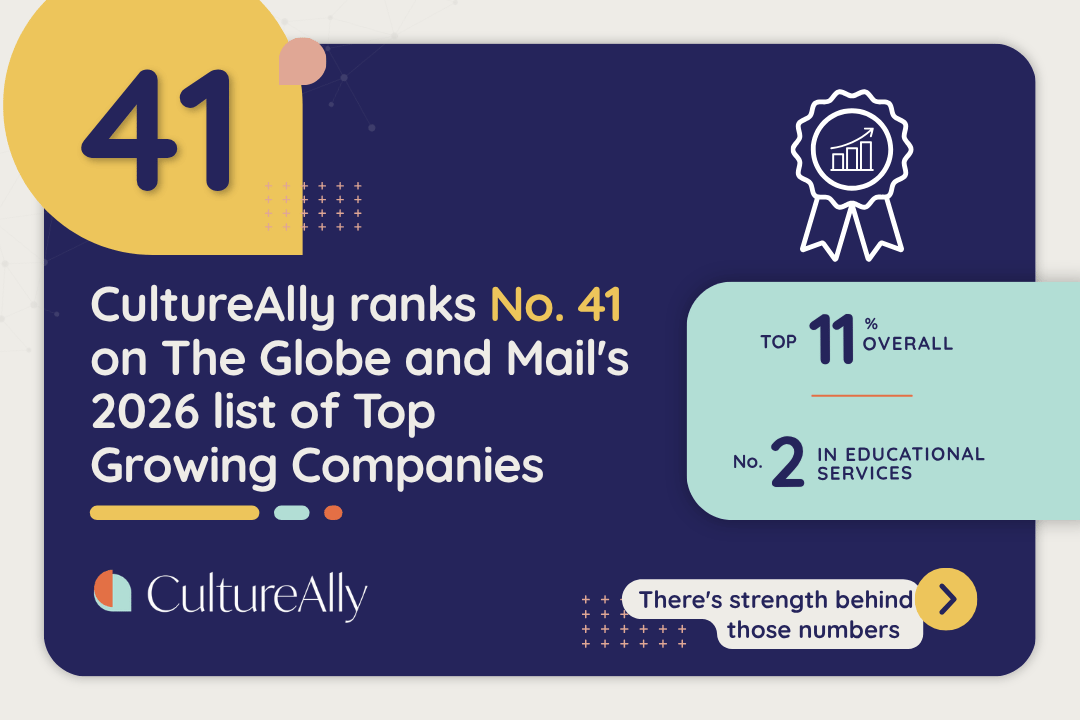
CultureAlly Ranks No. 41 on the 2026 List of Top Growing Companies
CultureAlly ranked No. 41 on the list of Top Growing Companies, placing in the top 11% overall and No. 2 in Educational Services. The recognition reflects five years of growth, 1,000+ organizations served and more than 100,000 learners reached.
How to Build a Learning and Development Strategy: Examples and Template
Build a learning and development strategy that turns competing requests into clear priorities. This practical guide explores what to assess, how to choose what comes first, and how to plan learning people can put to work, with a completed example and copyable template.
Training Topics Every Organization Should Prioritize
A practical guide to choosing workplace training priorities, from manager development and communication to conflict, change and emotional intelligence.
What Is Multigenerational Workforce Training?
Learn what multigenerational workforce training covers, why it matters at work, and how it can help teams address age-based assumptions and common points of friction.
What Is Civility and Professional Etiquette Training?
Civility and professional etiquette training helps teams create clearer expectations for how people communicate and work together. Learn what this training covers, when it can help, and when a different response may be more useful.
12 Signs of Emotional Intelligence at Work
Emotional intelligence shows up in the small moments at work: how we respond to feedback, handle tension, manage stress and read the room. Here are 12 signs of emotional intelligence you can spot in everyday workplace interactions.
What Is Neurodiversity for Managers Training?
Neurodiversity for Managers training helps leaders turn awareness into everyday practice, with better ways to communicate, give feedback and support different working styles.
What is Critical Conversations Training?
Some workplace conversations are easy to put off, especially when the stakes feel high or you’re not sure how the other person will react. Here’s what Critical Conversations Training teaches and how it helps people speak up, manage emotions and work through difficult moments more confidently.
The Cost of Mental Health Challenges at Work: What Businesses Are Really Paying
Mental health challenges at work can show up in productivity, absence, turnover and everyday conversations long before it appears on a balance sheet. Here’s what the research shows, and what organizations can do about it.
Workplace Sensitivity for Managers: How to Build a More Respectful Team
Managers shape how respect shows up day to day. Learn how to respond to insensitive behaviour, support someone who raises a concern and know when to coach, document or involve HR.

How to Give Difficult Feedback at Work Without Damaging Psychological Safety
Learn how to give difficult feedback at work without damaging trust. Get practical guidance, clear conversation examples and a free manager cheat sheet for the moments that are hardest to handle.

6 Common Team Communication Breakdowns and How to Fix Them
What teams call a communication problem is often something else. CultureAlly’s Learning & Development Director shares six breakdowns he sees repeatedly, what is happening underneath them, and what managers can do next
What is Conflict De-Escalation Training?
Conflict at work does not always look like raised voices or formal complaints. This article explains what conflict de-escalation training is, what it covers, and how it helps employees and managers respond to tense conversations with more care, confidence, and accountability.

Active Listening for Managers: When to Stay Silent and When to Step In
Active listening for managers is not just about staying quiet. Learn when to pause, when to step in, and the habits that help employees feel heard and speak up sooner.

How to Run Conflict Resolution Activities That Help Your Team Communicate
Most lists tell you which conflict resolution activities to run. Almost none tell you how to pick the right one, run it so it doesn't feel forced, or handle it when the room goes quiet. This guide covers all three, plus where to find six activities already built for you.
How Managers Can Support Neurodivergent Employees: 8 Practical Strategies
Managers do not need to diagnose neurodivergent employees to support them well. They need practical habits that make expectations clearer, communication easier, and support more consistent. This guide shares eight strategies managers can use to reduce avoidable friction, support performance, and lead neurodivergent employees with more confidence.
16 Leadership Resources: Communicate, Connect, and Lead Better
Good leaders keep learning on purpose. This curated list of 16 leadership resources includes books, podcasts, newsletters, and people to follow to help managers communicate more clearly, handle conflict, build trust, and lead more inclusively.

What is Conflict De-Escalation for Frontline Workers?Build a Culture Where Staff Feel Safe
Your frontline team is de-escalating conflict every day, whether or not anyone taught them how. Here's a practical guide: a 5-step framework, sector-by-sector tips, and what the research actually says works.
