What Is Neurodiversity for Managers Training?

Neurodiversity for Managers training looks at what happens when an understanding of neurodiversity has to hold up in real working relationships. It’s one thing to know that people process information differently. It’s another to lead a meeting where someone needs more time to respond, handle a disclosure well, or give performance feedback without confusing communication style with capability.
No one needs to become an expert in every form of neurodivergence. But leaders do need to recognize when the usual way of doing things is getting in someone’s way. That’s where the training becomes useful. It moves the conversation out of theory and into the moments that are harder to navigate when you’re responsible for a team.
Why managers need more than neurodiversity awareness
General neurodiversity training can build understanding across a workplace. Managers have an additional responsibility because their decisions shape so much of how people experience work.
They set expectations and decide how work gets communicated. They give feedback. Often, they are also the first person an employee speaks to when something is not working. That can make the difference between a working style being understood and the same behavior quietly counting against someone.
CultureAlly’s Neurodiversity for Managers training starts with neurodiversity and lived experience before moving into psychological safety, disclosure and how managers can apply what they have learned. Workplace scenarios give managers a chance to think through situations they may encounter.
If you are looking for a broader introduction first, our guide to what neurodiversity training is covers the fundamentals.
A manager should not leave training trying to identify which employees might be neurodivergent. The more useful skill is noticing where assumptions are influencing the way someone is being managed.
Understanding neurodiversity without putting people in boxes
Neurodivergence does not fit neatly onto a line from “low functioning” to “high functioning.” People have their own mix of strengths and areas where they may need support, and those needs can change depending on what they are doing.
A diagnosis alone tells a manager very little about how someone works best. Two employees with ADHD can have completely different experiences at work. The same is true for autistic employees or people with dyslexia. Managers generally get further by asking the person what helps than by trying to remember a standard list of traits.
For more on how different cognitive styles can show up on the job, read our guide to understanding neurodiversity in the workplace.
The workplace barriers managers can easily misread
It is easy to treat a difficulty as an individual performance problem when the way the work is organized may be contributing to it. Constant interruptions can make focus difficult. Verbal instructions may be harder for someone to process or remember. An employee might be trying to work out expectations that everyone else assumes are obvious, even though nobody has said them out loud.
Other barriers are harder to see. Neurodivergent employees may feel pressure to mask or worry about what will happen if they disclose. Differences in communication can also be interpreted as a lack of interest or engagement when that was never the issue.
It’s fair to say that a manager will not always know the why behind a behavior. Training can make them less likely to jump to conclusions.
What should managers know about psychological safety and disclosure?
Some employees will tell their manager that they are neurodivergent. Others may never choose to. Previous experiences can shape that decision. Someone may worry that disclosure will affect how their competence is perceived, while another employee may not use a diagnosis or label at all.
An employee doesn’t need to disclose a diagnosis for a manager to ask what would make the work easier. In many cases, the conversation can stay focused on what is happening:
Would it help to have this in writing? How do you prefer to receive feedback? Is there anything about this process that is making the work harder?
Formal accommodations should involve HR where appropriate. There is still a lot managers can do in their everyday interactions without waiting for someone to explain their medical history.
Psychological safety is part of that. Employees need room to ask questions or raise concerns without worrying that doing so will be held against them. Clear expectations still matter, as does accountability.
We cover more ways to approach these conversations in our guide to supporting neurodiversity in the workplace.
Why performance management deserves particular attention
Performance reviews can turn fairly ordinary differences in working style into judgments about someone’s capability. Traditional systems may place a lot of value on visibility or quick verbal responses, even when neither is central to the role.
A quieter employee can be labelled disengaged. Avoiding eye contact can be interpreted as a lack of interest. Someone who communicates very directly might be judged more harshly than a colleague whose style feels more familiar.
Neurodiversity for Managers training looks at how this can happen and asks managers to come back to the actual requirements of the job. Traditional systems can overvalue social fluency while overlooking contributions such as deep focus or strong analytical thinking.
What was expected? What actually happened? What effect did it have on the work?
Those questions give a manager something concrete to work with.
CultureAlly’s training also encourages more regular feedback so that a formal review does not become the first time an employee hears that something needs attention. Where it makes sense, the format of the conversation can also be adapted to the person rather than assuming everyone responds best to the same process.
What neuroinclusive performance feedback looks like
Performance feedback can get messy when a manager starts interpreting behavior instead of describing it.
“Disengaged,” “difficult to work with” or “not a team player” may sound like feedback, but they leave a lot of room for bias. A communication difference can easily become a judgment about someone’s attitude. More useful feedback stays close to what actually happened.
If an expectation wasn’t met, describe the specific behaviour and how it affected the work. Give the employee room to respond rather than assuming you already know why it happened. From there, the conversation can turn to what needs to change and whether anything would help the employee meet that expectation.
For a neurodivergent employee, that might uncover something a manager had not considered. Perhaps the expectation was less explicit than they thought. The format of the communication may be part of the issue. Or there may be a completely different explanation.
This doesn’t mean avoiding difficult feedback. It means making the feedback specific enough that someone can actually do something with it.
CultureAlly’s Neurodiversity for Managers training gives managers a chance to work through this kind of conversation and consider how they would respond when the answer is not immediately obvious.
What neuroinclusive management looks like day to day
Often, it is a small change in how something gets done.
A manager might follow up a conversation with written information. Sending an agenda before a meeting can give people time to think about what they want to contribute instead of expecting everyone to process a question and respond immediately. These practices can be useful for plenty of employees, whether they identify as neurodivergent or not.
If you want more day-to-day ideas, our guide to how managers can support neurodivergent employees goes much further into workplace practices.
This training spends more time on the judgment behind those decisions. Managers need to understand why changing an approach may help, rather than treating inclusion as a checklist of accommodations.
What happens in Neurodiversity for Managers training
CultureAlly’s training uses situations managers could realistically encounter at work. The session establishes a shared understanding of neurodiversity and examines some of the assumptions people bring to the subject. Managers then explore lived experience and disclosure before getting into how these ideas affect their own role.
From there, the session becomes more applied. Managers consider where their usual ways of communicating or evaluating work could create barriers. They also work through scenarios and discuss how different responses could change the situation.
The performance feedback example is one of those scenarios. Managers have to work out how they would address an issue that genuinely needs attention while avoiding assumptions about the employee behind it. That tends to be harder than agreeing with the concept of inclusion in the abstract.
Does neuroinclusive management mean treating employees differently?
Fairness does not require every employee to complete their work in exactly the same way. If a role requires an accurate report by Friday, the accuracy and deadline matter. Whether the employee plans that work with a written checklist or blocks out quiet time to complete it may have very little to do with the quality of the report.
The same applies to a lot of everyday management choices.
Clear instructions help new employees too. Advance agendas give people a chance to arrive prepared. Specific feedback is more useful than telling someone they simply need to “communicate better.” When the method is not actually part of the job requirement, managers have more room to be flexible than they sometimes realize.
Who is Neurodiversity for Managers training for?
The training is designed for people who have responsibility for leading others, including people who directly manage teams and those who support manager development.
It can be particularly useful after an organization has already introduced neurodiversity more broadly. That is often when a more practical question starts coming up: what does this change for someone who is actually managing a team?
What should managers take away from the training?
One session cannot tell a manager exactly what every neurodivergent employee will need. What it can do is make them slower to assume.
A manager might notice that an expectation has never been stated as clearly as they thought. They might rethink whether the format of a meeting is affecting who gets heard. During a performance conversation, they can talk about what happened instead of filling in the gaps with a judgment about attitude. Some situations will still be complicated because people are, well, complicated.
Managers will not always get the answer right the first time, which is another reason being able to ask a decent question matters.
Want to keep learning about neurodiversity?
There’s far more to neurodiversity than any one training can cover. If you want to hear more lived experiences or dig further into what this can mean at work, these are a few good places to start.
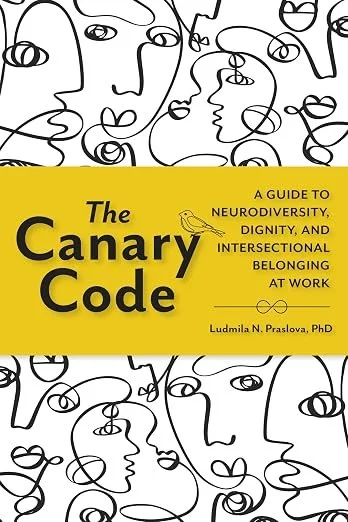
Written with the workplace in mind, The Canary Code looks at how organizations can better support neurodivergent employees. It’s particularly useful for managers and people leaders who want to rethink some of the workplace practices we tend to accept as standard.
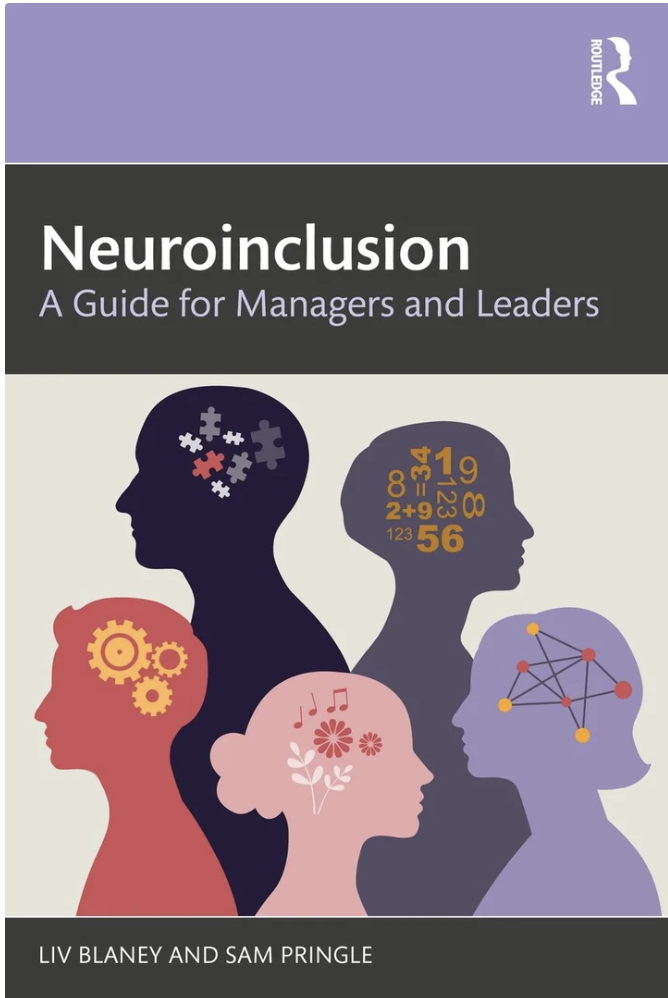
This book focuses specifically on autism and explores masking from both a research and lived-experience perspective. It’s a helpful read for understanding why what managers see at work may only be a small part of what an employee is experiencing.
If you’d rather listen, this podcast covers neurodiversity through conversations with neurodivergent people and specialists across a wide range of topics. You can browse for an episode that speaks to a question you already have rather than listening in order.
A workplace-focused podcast from Understood.org exploring how neurodiversity shows up in leadership and business. Episodes cover everything from psychological safety and disclosure to how leaders can rethink the way work is designed.
Frequently Asked Questions about Neurodiversity for Managers training
Why do managers need neurodiversity training?
Managers have a lot of influence over how work is experienced.
Something that feels straightforward to one employee may create an unnecessary barrier for another. Training helps managers become more aware of those differences and think through how they respond.
What skills do managers learn in neurodiversity training?
The training is built around situations managers are likely to encounter.
That includes making expectations easier to understand and responding appropriately when an employee talks about what they need. Managers also spend time thinking about feedback and how assumptions about communication style can creep into performance conversations.
Does neurodiversity training teach managers how to identify neurodivergent employees?
No. Managers should not try to diagnose employees based on their behaviour.
Training helps them understand that people process and experience work differently, including people who have never disclosed a diagnosis.
Does an employee have to disclose that they are neurodivergent?
An employee may choose to share that information or keep it private.
Someone can also talk about a working preference without explaining why they have it. Formal accommodations can involve different processes depending on the organization and jurisdiction, so HR should be involved where appropriate.
Does neuroinclusive management mean lowering expectations?
Expectations can stay clear while managers look at whether something unrelated to the actual job is making it harder to meet them.
If communication is part of the role, for example, a manager can still address missed updates. The conversation is more useful when it focuses on what happened and what needs to change rather than making assumptions about the employee’s attitude.
How can managers make performance reviews more neuroinclusive?
Start with specific examples of the work and what happened.
If something needs to improve, explain the impact clearly. Give the employee room to respond and discuss what might help before agreeing on what should happen next.
Feedback throughout the year also makes the formal review a lot less loaded.