

Neurodiversity Training
Different ways of thinking can be overlooked, misunderstood, or mismanaged.
Give your team practical tools to understand neurodiversity, reduce avoidable barriers, and support different ways of thinking, communicating, and working.


Key Mental Health Awareness Training Highlights
- Practical skills your team can use right away
- Led live by an expert facilitator
- Unlimited participants for one flat fee
- Recording and resources reinforce learning long after the session
1,000+ organizations trust us to help their teams learn, grow, and lead.















Practical and actionable Easy to work with Learning that lasts
Client testimonials

Both sessions were incredibly educational and the CultureAlly team brought forth a wealth of knowledge supported by industry professionals. The work CultureAlly does is so important and well done and I always look forward to these sessions.


The team was attentive and were amazing with how they tailored the workshop to our company's needs. The feedback we got from our team was excellent - everyone was very engaged, and loved the content - we will definitely be working with them again!

I've heard from a few folks that they appreciated the session, the approach, the crispness of the content (and your slides!) and the skilled ‘ebb and flow’ between the facilitators. I could not be more pleased and appreciative.

The engagement was very strong both in the chat and in the room.
The speakers offered insights, best practices and practical solutions. Tressler's large audience participated in interactive discussions and gained actionable takeaways designed to drive meaningful change within the workplace.

It really feels like they are part of our organization. They are dedicated, collaborative and really take the time to understand their clients, their needs, and the organization as a whole.

An incredible level of professionalism and diligence brought to every aspect of this process. We were deeply impressed by how the entire CultureAlly team embody the very principles they advocate. We felt we could speak openly and candidly on sensitive topics without fear of judgment.
Empathetic and enthusiastic professionals who made challenging subject matter accessible, relatable and informative. Highly recommend their services.
Working with the CultureAlly team was an exceptional experience from start to finish. They were professional, transparent, and consistently responsive throughout the process. Their recommendations were thoughtful, backed by strong industry benchmarks, and helped us move forward with confidence. Truly an ideal partnership.
I am already seeing feedback from employees that they loved the session. Thank you also for the additional learning/resources you provided throughout the call, so we can continue to dive deeper as a team. Slido was EXACTLY the right tool for this and I was so happy to see all the group participation and that employees felt safe to share openly.
When Different Ways of Working Are Misread, Teams Lose Time, Trust, and Stronger Work.
70% of neurodivergent employees worry that disclosing their neurodivergence could negatively impact them at work.
Source: Understood.orgTeams usually reach out when
- Employees want to be supportive, but are unsure how to talk about neurodiversity in a useful, respectful way.
- Managers are unsure how to talk about different ways of working without making assumptions or overstepping.
- Communication style, focus, or participation is being misread as a performance issue.
- Meetings and written instructions are creating confusion that clearer communication could prevent.
- HR wants practical training that does not put the burden on neurodivergent employees to explain their own experience.
Neurodiversity Training helps your team reduce assumptions, communicate clearly, and support different ways of working.
Talk to a Training Expert
Learning Outcomes
Practical Skills Your Team Will Use at Work

Neurodiversity Training helps employees and managers understand how different people process information, communicate, focus, and participate at work.
Your team will learn how to:
- Recognize what neurodiversity means and why there is no single “normal” way to think, learn, or work.
- Challenge assumptions about communication style, eye contact, focus, and participation.
- Use direct language, written follow-up, and time to process before expecting a response.
- Notice how meetings, feedback, and performance conversations can create unnecessary barriers.
- Support different working styles without putting the burden on neurodivergent employees to explain everything themselves.
The result is a team that can speak more honestly and handle discomfort without trust breaking down.
What changes after Neurodiversity Training
-
Less time is lost to avoidable confusion
Teams learn simple ways to make instructions, expectations, and follow-up clearer, so fewer details get missed or need to be repeated later.
-
Managers respond with more confidence
Leaders have better language for talking about different ways of working, which makes support conversations more impactful.
-
Managers coach the right issue
Leaders are better prepared to focus on actual work concerns instead of misreading different working styles as poor performance.
-
Meetings become more productive
Teams learn how small changes, like sharing context in advance or offering more than one way to contribute, can help more people participate and keep decisions moving.
-
Better thinking makes it into the work
Teams are more likely to benefit from different problem-solving styles instead of overlooking them.
What Changes After Your Neurodiversity Session?
What’s Included In Your Neurodiversity Session
Many providers charge separately for attendance, recordings, materials, or follow-up. We don't. Every ready to learn session comes with all of it.
More reach for the same budget
- Unlimited participants
- One flat session fee
Interactive ways for everyone to participate
- Anonymous questions
- Live polls
- Facilitated discussion
Practical skill-building, not just theory
- Expert-designed content
- Live facilitator-led learning
- Actionable takeaways
Resources to keep your team up to speed
- Session recording
- For missed attendees and future hires
- Post-Training Cheat Sheet
Feedback to measure impact and guide next steps
- Post-session feedback survey
- Post-training debrief
Neurodiversity
How Much Does Training Cost?
$2,950/session
Live, expert-led virtual training with practical tools your team can use right away, plus resources and follow-up for what comes next.
- Unlimited Learners
- Feedback Survey
- Session Recording
- Post-Session Cheat Sheet


Why Organizations Choose CultureAlly

Why Organizations Partner With CultureAlly
Upskill For The Workplace Moments That Matter Most
HR teams are often asked to solve complicated workplace challenges through training. We make that process easier with practical learning, responsive support, and clear takeaways your team can use.
You do not need to arrive with the perfect plan. A clear challenge, a messy situation, or a “we need to strengthen this” moment is enough to start.
Complex Workplace Challenges Become Easier to Manage
When the issue is hard to define, we help you choose the right approach, prepare for the conversation, and keep the work moving from first conversation to follow-up.
Practical Skills People Put to Work
Your team needs clear language, tools, and strategies they can apply right away. That’s why our training is built around real workplace situations, not theory.
Your Team Is Set Up for Long-Term Success Beyond the Session
Recordings, post-session cheat sheets, and feedback surveys help reinforce learning, support onboarding, and give you something concrete to share with leadership.
We Help You Choose the Right Solution
Not sure whether you need training, coaching, eLearning, or something custom? We’re here to help you think through the options and build the right approach over time.
Neurodiversity
MEET TWO OF OUR EXPERTS
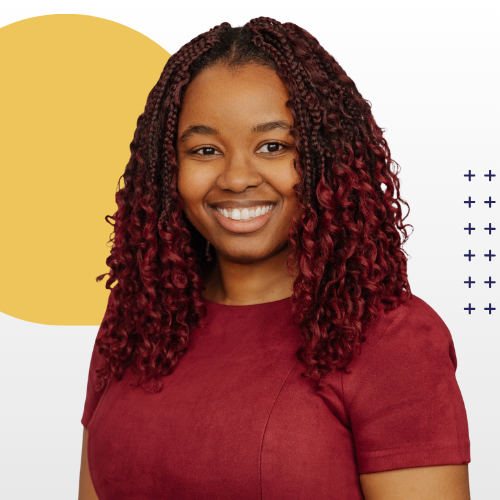
Melicia Hewitt
With a Master's in Education and over a decade of experience as an educator and curriculum designer, Melicia brings expertise in creating inclusive workplaces. Rooted in her lived experience as an Afro-Canadian, neurodivergent woman of Jamaican ancestry, Melicia facilitates using empathy, connection, and psychologically safe dialogue. She is committed to ongoing learning regarding anti-racism and neurodiversity inclusion.

Hanna Daltrop
As a survivor of multiple brain injuries, Hanna brings powerful lived experience to her facilitation practice and a genuine commitment to advocating for disabled and brain injured communities. Hanna believes every person deserves to be seen and supported — and that belief shapes everything she does.
Success Story
Neurodiversity Training
IN ACTION
Nature’s Way Canada partnered with CultureAlly for a Neurodiversity training session designed to help employees understand neurodiversity as a natural part of human difference and recognize how conditions such as autism, ADHD, dyslexia, and other neurological differences can affect workplace experience.

Relevant session content
said the session content was relevant and met their expectations.
What the session covered: Neurodiversity, common misconceptions, autism, ADHD, dyslexia, communication barriers, and practical ways to support different ways of working.
What participants wanted next: More actionable strategies to improve workplace support, team communication, and day-to-day interactions.
“The training was great. It helped me understand the basics and consider how neurodiversity can show up in different ways.”
Have a specific training topic in mind?
Frequently Asked Questions
What is neurodiversity training?
Neurodiversity training helps teams understand different ways people think, process information, communicate, focus, and work.
CultureAlly’s session introduces key terminology, common misconceptions, and practical workplace strategies so employees and managers can reduce assumptions and better support different working styles.
Who should attend neurodiversity training?
This training is designed for employees, managers, HR teams, and people leaders.
It is useful for any organization that wants to build clearer communication, reduce avoidable barriers, and help teams better understand neurodiversity in day-to-day work.
What topics are covered in the session?
The session covers neurodiversity terminology, common misconceptions, communication barriers, performance management considerations, accommodations, and practical ways to support neurodivergent employees.
Participants also explore how meetings, feedback, written instructions, and workplace norms can affect how people contribute at work.
Is this training only for managers?
No. This session is designed for the whole team.
Managers will take away practical guidance for support and communication, while employees gain shared language for working more effectively with different thinking and communication styles.
Is the session interactive?
Yes. The session includes reflection, anonymous Slido participation, guided discussion, and practical examples.
Participants can engage in the way that works best for them, including through chat, anonymous responses, or discussion.
How much does neurodiversity training cost?
Neurodiversity Training starts at $2,950 for a 1-hour live virtual session.
The price is a flat session fee, not a per-person fee, so you can include your full team without increasing the cost for every additional attendee.
What is included in the price?
Your session includes expert facilitation, anonymous engagement tools, a session recording, practical follow-up resources, and feedback insights after the training.
These inclusions help your team extend the learning beyond the live session.
Can neurodiversity training be customized?
The 1-hour Neurodiversity Training session is designed to be practical, accessible, and ready to deliver.
If your organization needs workplace-specific scenarios, manager-focused support, or a longer workshop, CultureAlly can recommend a custom training option .
Is neurodiversity training available in person?
Yes. Neurodiversity Training can be delivered in person for organizations looking for a more interactive or extended workshop experience.
How do we book?
Book a meeting with us to see whether the session is the right fit, ask questions, and find a date that works for your team.
Let’s Chat About Neurodiversity Training
Limited availability · Reserve a date now
Schedule a Training Preview today
Have a Question? Get in Touch
More Ways to Upskill Your Team




Helpful Resources
Keep Exploring Neurodiversity at Work
Whether you’re ready to book training or looking for practical ways to support different working styles, these resources can help your team build shared language and reduce assumptions.

How Managers Can Support Neurodivergent Employees
Practical guidance for starting supportive conversations, reducing assumptions, and creating better working conditions for neurodivergent team members.
Read ArticleWhat is Neurodiversity Training?
An overview of what neurodiversity training covers, why organizations offer it, and how it can support clearer communication at work.
Read ArticleWhat Neurodiversity Looks Like at Work
A helpful introduction to how neurodiversity can affect communication, focus, disclosure, and workplace experience.
Read ArticleManaging Different Thinking Styles: AI Prompt Guide
A practical prompt guide to help managers think through communication, support, and working-style differences with more care.
View Resource